
Roof Repair and Treatment: What Works for Rot, UV Damage, and Insect Infestation?
Understanding the various factors that lead to roof deterioration is crucial for homeowners and building managers. The roof is one of the most critical components of a building, and its health directly impacts the overall integrity of the structure. Roof damage can lead to significant financial costs, safety hazards, and inconvenience when it is not handled properly. This article explores common problems such as rot, UV damage, and insect infestation while emphasizing why professional evaluation matters. With the right roof repair plan from experienced pros, property owners can protect their homes, preserve structural strength, and extend the life of their roofing system.
Understanding Roof Rot
Causes of Roof Rot
Roof rot is primarily caused by prolonged exposure to moisture, which can originate from various sources such as rain, snow, or high humidity. Poor ventilation and insulation can make the problem worse by trapping moisture inside the roof structure. Biological growth, such as fungi and mold, can further deteriorate the wooden components of the roof. Leaks and poorly sealed areas can also allow moisture to seep into the roofing material, accelerating rot. Since rot can spread beneath the visible surface, calling in professionals is one of the most reliable ways to build an effective prevention, treatment, and roof repair strategy.
Identifying Early Signs of Rot
Identifying early signs of roof rot can prevent extensive damage and costly repairs. Homeowners should watch for soft spots in the roofing material, as these often indicate moisture buildup. Discoloration, particularly dark or black spots, can be a telltale sign of fungal growth. A musty odor in the attic or beneath the roof is another indicator of potential rot. While these warning signs are helpful to know, a professional inspection can confirm the source of the issue and determine whether roof repair is needed before the problem spreads.
Prevention Strategies for Roof Rot
Preventing roof rot involves maintaining proper ventilation and using materials designed to resist moisture. Installing a vapor barrier is a crucial step in reducing moisture infiltration. Roof flashing and sealing are also effective measures to prevent water from seeping into vulnerable areas. Regular cleaning to remove debris and biological growth can reduce the risk of rot. However, because small moisture issues can be easy to miss, routine inspections from roofing professionals are beneficial because they can reveal when roof repair is needed.
Repair Techniques for Rot-Damaged Roofs
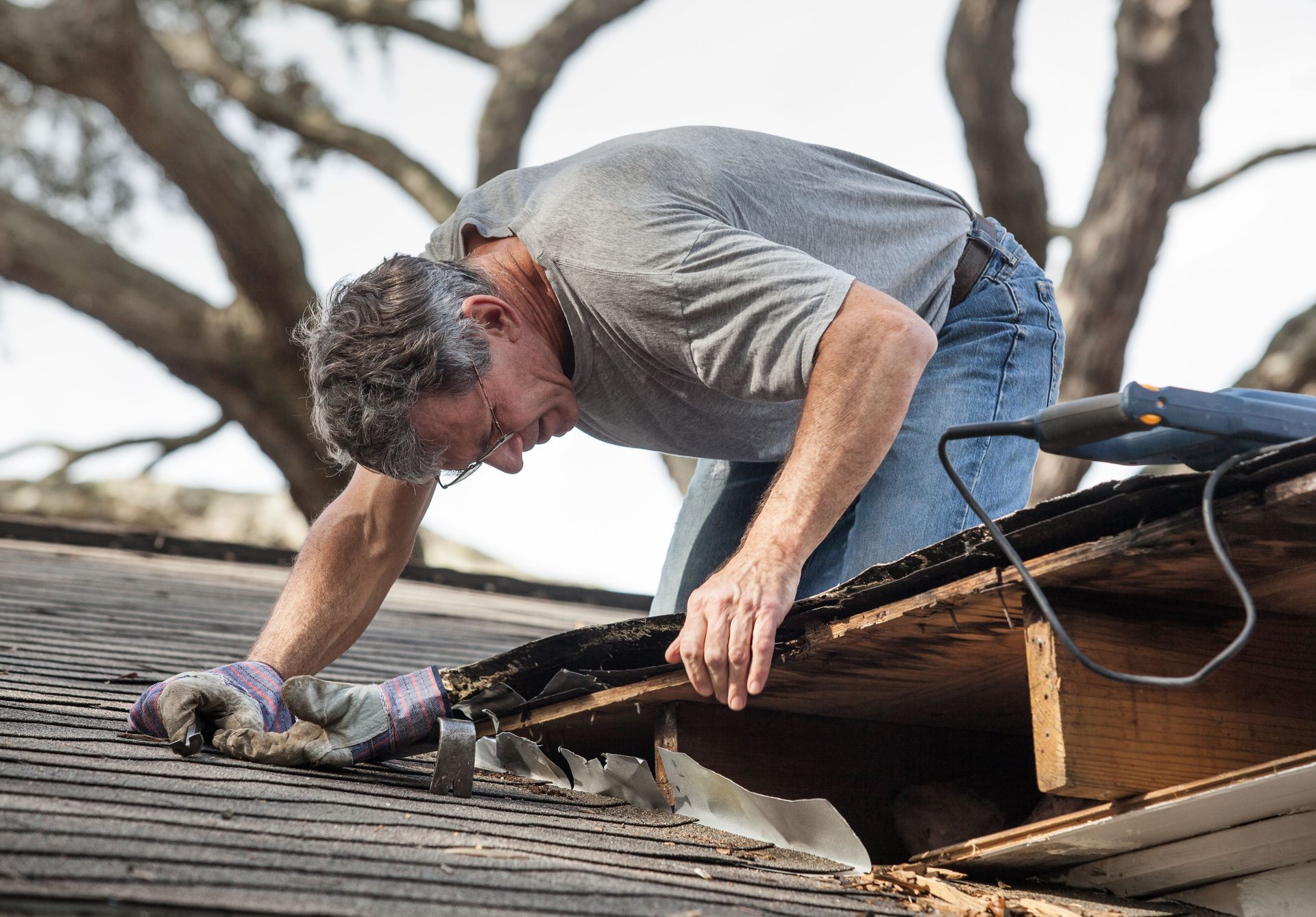
Repairing a rot-damaged roof begins with a thorough assessment to identify the extent of the issue. Damaged materials must be removed and replaced with treated wood or rot-resistant materials. This process may involve structural reinforcements to support the roof's integrity. Improved drainage systems may also be recommended to prevent future rot incidents. Professional roof repair services can provide the experience, tools, and safety practices needed to complete the work correctly.
Best Materials to Resist Rot
Choosing the right materials is a proactive step in protecting a roof from rot. Treated wood, such as pressure-treated lumber, is designed to withstand moisture exposure and resist decay. Composite materials, which blend wood with plastic, are highly resistant to rot and offer additional durability. Metal roofing, while susceptible to different issues, is not prone to rot and can provide long-term reliability. A roofing professional can help property owners compare these options and select materials that fit the roof’s structure, climate demands, and long-term maintenance needs.
Combatting UV Damage
How UV Rays Affect Roofing Materials
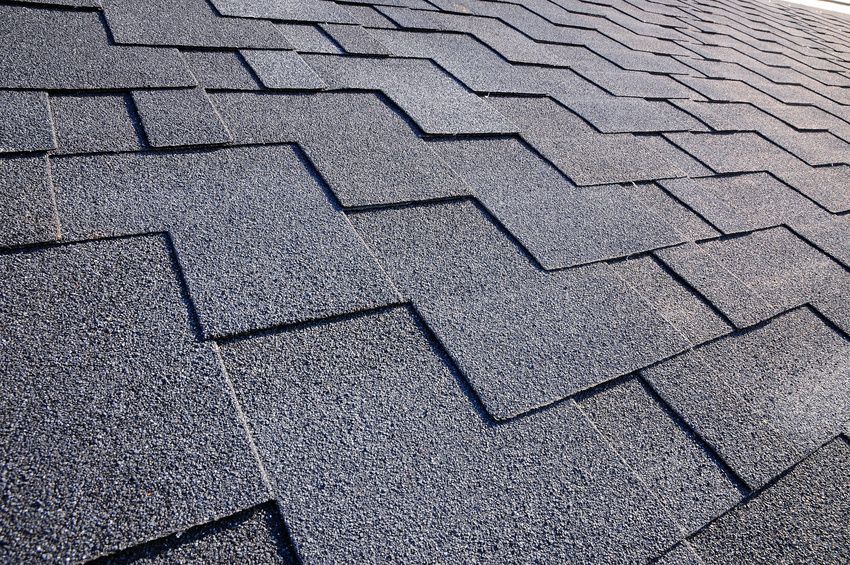
UV rays from the sun can significantly degrade roofing materials over time. They cause chemical breakdowns in roofing materials, which leads to brittleness and weakened structural integrity. Asphalt shingles, for example, can lose their granules, decreasing their efficiency. Prolonged UV exposure can also result in color fading, diminishing the appearance of the roof. Understanding these effects is helpful, but professional guidance is important when deciding whether protective treatments or timely roof repair are necessary.
Signs of UV-Induced Roof Damage
Signs of UV-induced damage include the appearance of cracks and fissures on the roofing surface. Roofs may also become discolored due to prolonged UV exposure, resulting in patchy or uneven coloration. Shingles may begin to curl or warp, indicating significant degradation. UV damage can also compromise the protective granules on shingles, affecting overall roof performance. Catching these signs early is valuable, but having a professional assess the damage can help avoid more extensive roof repair later.
Protective Coatings Against UV Damage
Applying protective coatings is one of the most effective ways to mitigate UV damage to roofs. Reflective coatings can deflect a significant portion of the sun's rays, reducing UV exposure and temperature buildup. Elastomeric coatings help preserve the roof's surface by enhancing its elasticity and resistance to cracking. It is essential to select coatings that are compatible with the roofing material in use. Since the wrong product or application method can create new problems, property owners should rely on roofing pros for coating recommendations, application, and ongoing maintenance.
Repair Methods for UV-Damaged Roofs
Repairing UV-damaged roofs often involves replacing damaged shingles or tiles. In cases of extensive damage, re-roofing or applying a new layer of roofing material may be necessary. Reflective materials or coatings added during roof repair can protect restored sections from further UV damage. Timely work can prevent leaks and structural issues that UV degradation may cause. Expert roofing contractors can assess the damage, explain the available options, and recommend the most effective repair strategy.
Roofing Materials With UV Resistance
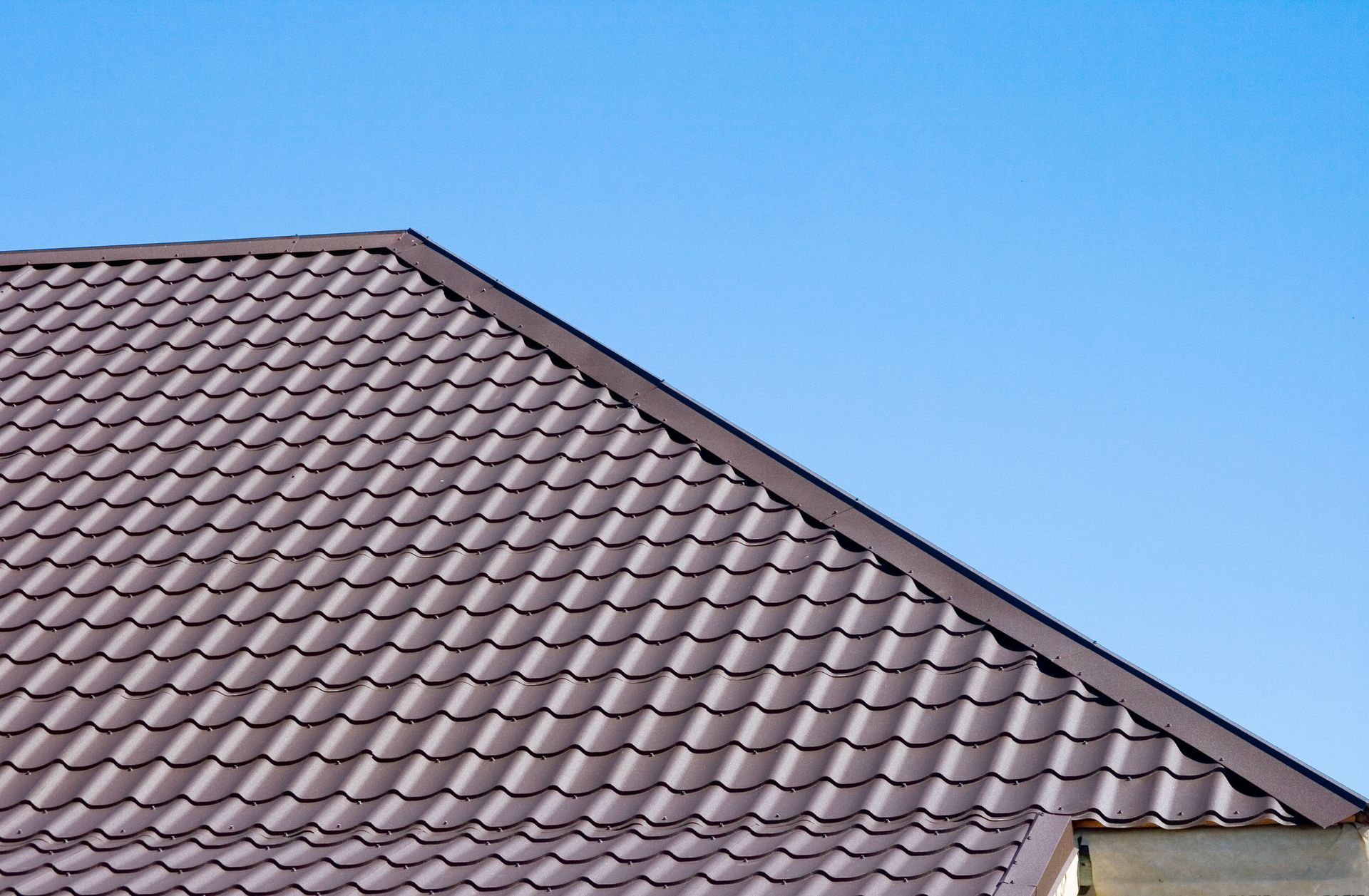
Certain roofing materials offer enhanced resistance to UV damage. Metal roofs, such as those made from aluminum or steel, naturally reflect UV rays and can endure prolonged sunlight exposure. Clay and concrete tiles also offer substantial UV protection due to their density and composition. Synthetic roofing materials are also engineered to resist UV degradation. Before investing in new materials, property owners should speak with professionals who can evaluate the roof design, local sun exposure, and whether roof repair or replacement is the better choice.
Regular Maintenance and Inspection Practices
Importance of Routine Roof Inspections
Routine inspections are fundamental to maintaining roof health and longevity. These inspections can identify potential issues before they escalate into costly problems. According to Bbehmermedia.com, the residential roofing market was estimated at $18.6 billion in 2025, highlighting the significance of investments in roofing health. Regular inspections can extend the life of the roof by supporting timely roof repair and maintenance. While homeowners can look for visible signs of trouble, professional inspections provide a more complete understanding of the roof’s condition.
Creating an Effective Maintenance Schedule
Developing an effective maintenance schedule involves identifying key inspection intervals and necessary seasonal tasks. Seasonal inspections should align with weather changes to address different climate challenges. Establishing a checklist of maintenance tasks helps support comprehensive care and attention. Documenting maintenance activities can track history and inform future inspections. A roofing professional can help create a schedule that is realistic, thorough, and specific to the property’s roof system.
Tools and Equipment for Roof Maintenance
Having the right tools and equipment is crucial for safe and effective roof maintenance. Ladders, safety harnesses, and proper footwear are fundamental for safe roof access. Basic maintenance may require tools such as roof rakes, sealants, and nails. Advanced maintenance may need specialized equipment for detecting leaks or structural issues. Because roof work can be dangerous and mistakes can lead to expensive damage, it is often safer and more effective to call in professionals for maintenance and roof repair.
Proactive measures and informed choices in roofing materials and maintenance can significantly extend the life of a roof, protecting it from rot, UV damage, and insect infestations. Understanding the impacts of environmental factors is useful, but roofing problems often require trained eyes, proper tools, and safe repair methods. Homeowners investing in regular inspections and maintenance strategies protect not only their roofs but also their property's longevity and value. With a consistent roof repair and treatment approach led by experienced professionals, property owners can enjoy stronger, safer, and more resilient roofs for years to come. Call Lake Michigan Construction & Roofing today.
Share On: