
Roof Installation: How Long Do Cedar Shake Roofs Last in Humid Climates?
When planning a new roof installation, many homeowners are drawn to the natural, rustic charm of authentic wood. Cedar shakes offer a distinctive architectural beauty that elevates curb appeal and blends seamlessly with wooded landscapes. However, while natural wood shakes are celebrated for their classic appearance and insulation properties, they face unique environmental challenges depending on location. In particular, regional climate plays a decisive role in determining just how long these materials will endure before requiring care or total replacement. For properties near large bodies of water or in damp climates, atmospheric moisture presents a constant test for natural wood fibers. Unlike synthetic shingles or non-porous metals, natural wood reacts continuously to surrounding humidity levels. Homeowners who appreciate the aesthetic of cedar must understand how persistent moisture, temperature fluctuations, and organic growth impact structural integrity.
Understanding Cedar Shake Longevity in High Humidity
In dry, temperate environments, premium cedar shakes can last anywhere from 30 to 50 years when maintained properly over their lifespan. However, atmospheric conditions shift these expectations dramatically once high humidity is introduced. While premium wood can endure up to five decades in arid regions, the expected lifespan following a residential roof installation in a humid environment typically drops to between 20 and 30 years. Persistent atmospheric moisture accelerates the decomposition of organic wood fibers, shortening the effective service life of the roof structure.
When summer humidity remains high and winter precipitation is frequent, wood shakes rarely have the opportunity to dry out completely. This prolonged exposure causes natural preservative oils within cedar—specifically thujaplicin—to leach out at a faster rate than in dryer climates. Once these protective compounds dissipate, the wood becomes increasingly vulnerable to structural breakdown. Property owners living in damp coastal or lakeside regions must anticipate this accelerated timeline when budgeting for future renovations and routine maintenance.
Evaluating Moisture Absorption and Mold Vulnerability
The primary enemy of natural wood in any humid environment is uncontrolled water absorption from the surrounding atmosphere. Because cedar is a porous, hygroscopic material, it naturally absorbs water vapor from humid air and swells during periods of precipitation. When the weather clears and temperatures rise, the wood releases that moisture and shrinks. Over time, this repeated cycle of swelling and shrinking causes individual shakes to warp, cup, split, or curl, compromising the waterproof barrier of the home.
If an improper roof installation leaves wood shakes exposed to continuous dampness without adequate drainage, wood rotting organisms will quickly take root. High humidity provides an ideal breeding ground for moss, algae, lichen, and destructive mold. Moss growth is particularly damaging because it acts like a dense sponge, holding rainwater directly against the wood surface for weeks at a time. This trapped moisture encourages fungal decay and wood rot, which can deteriorate the underlying roof decking and lead to severe leaks if left unaddressed.
Implementing Proper Ventilation Underneath Wood Shingles
Because atmospheric dampness poses a severe threat to organic building materials, ensuring adequate air circulation is the most critical factor in extending the life of a cedar roof. To prevent premature decay, contractors must incorporate advanced airflow systems during the initial roof installation process. Without continuous ventilation occurring both above and below the wood shakes, trapped moisture will quickly destroy the roofing material from the inside out.
In professional residential and commercial roofing projects, experienced installers utilize specialized ventilation matrices, commonly referred to as cedar breathers or drainage mats. These innovative mesh systems create a vital air gap between the wooden shakes and the water-resistant underlayment beneath them. This continuous air space allows fresh air to circulate underneath the shingles, promoting rapid evaporation after rainfall or morning dew. When combined with ridge vents and soffit intake vents, a well-designed ventilation system minimizes thermal shock, prevents moisture accumulation, and substantially prolongs structural durability.
Maintaining Your Roof Against Severe Weather and Decay
Preserving a cedar shake roof in a damp climate requires proactive, consistent property maintenance throughout every season. Even the highest quality materials require ongoing care long after the initial roof installation is completed. Homeowners must establish a seasonal inspection routine to identify early signs of wear, moisture retention, and organic growth before minor issues escalate into costly structural damage.
Routine maintenance should always include clearing accumulated leaves, pine needles, and branches from valleys and roof surfaces, as organic debris traps moisture and promotes fungal colonization. Additionally, keeping your drainage systems clear through professional gutter services prevents overflowing water from backing up beneath the eaves and damaging wooden fascia or roof decking. When moss or mildew appears, gentle cleaning treatments using specialized fungicidal solutions safely remove organic growths without eroding wood fibers.
Comparing Modern Materials in the Residential Market
When evaluating options for a home exterior update, homeowners must balance aesthetic appeal with long-term weather resistance and durability. According to Marketdataforecast.com, the residential roofing segment dominated the US roofing market in 2025, occupying 62.1% of the total market share. Within this vast residential market, traditional wood competes with advanced engineered alternatives that offer superior resistance to damp weather and regional environmental wear.
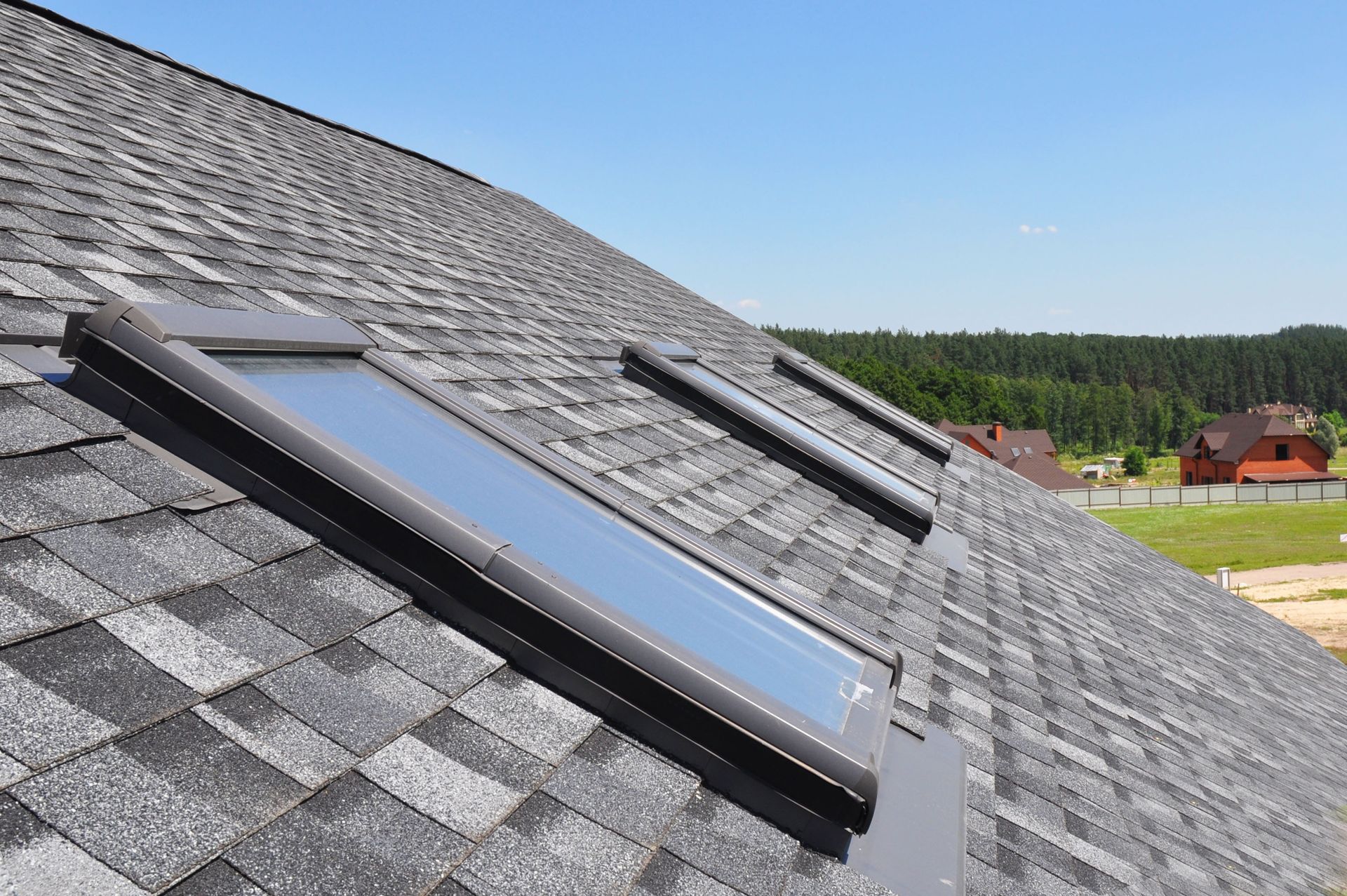
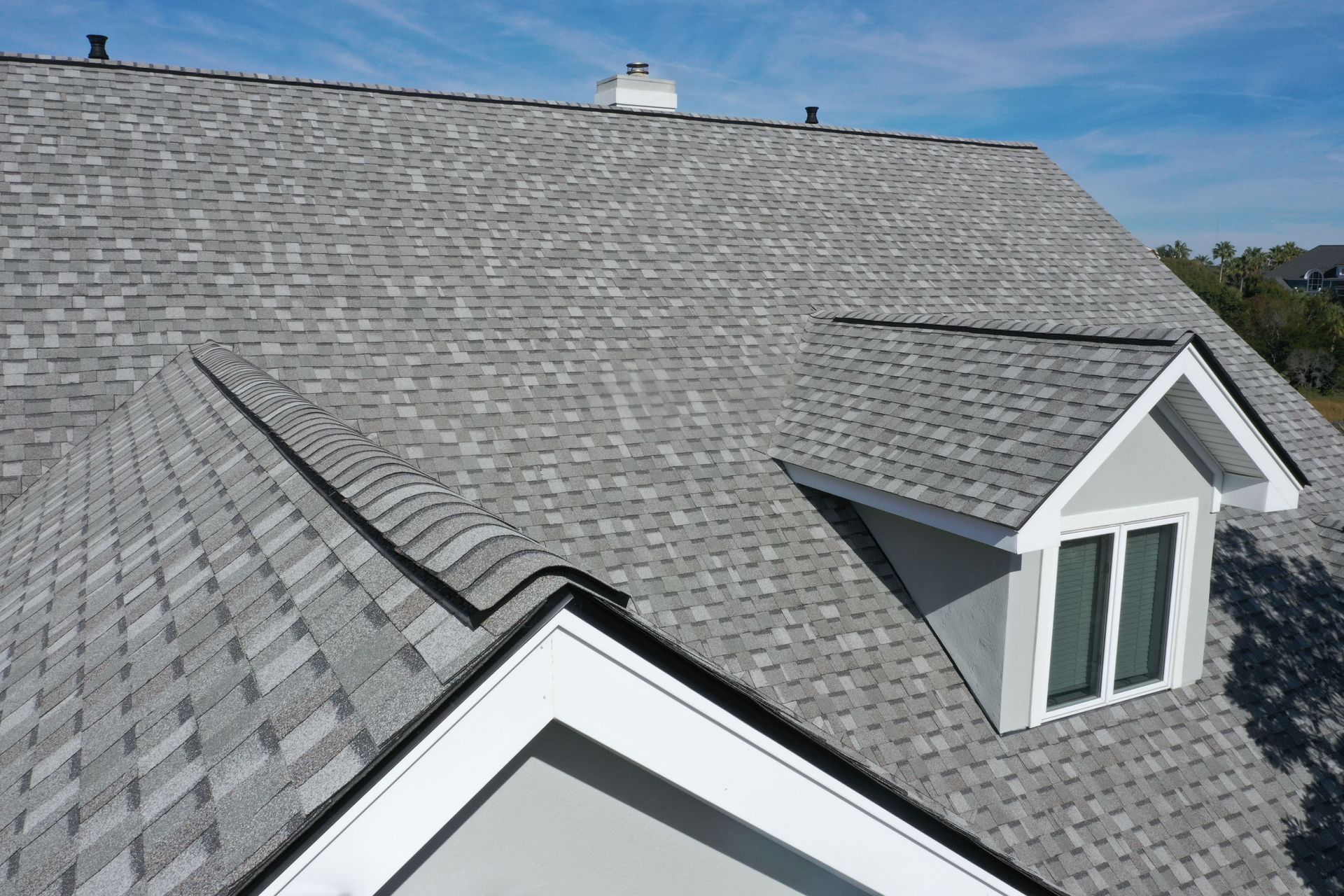
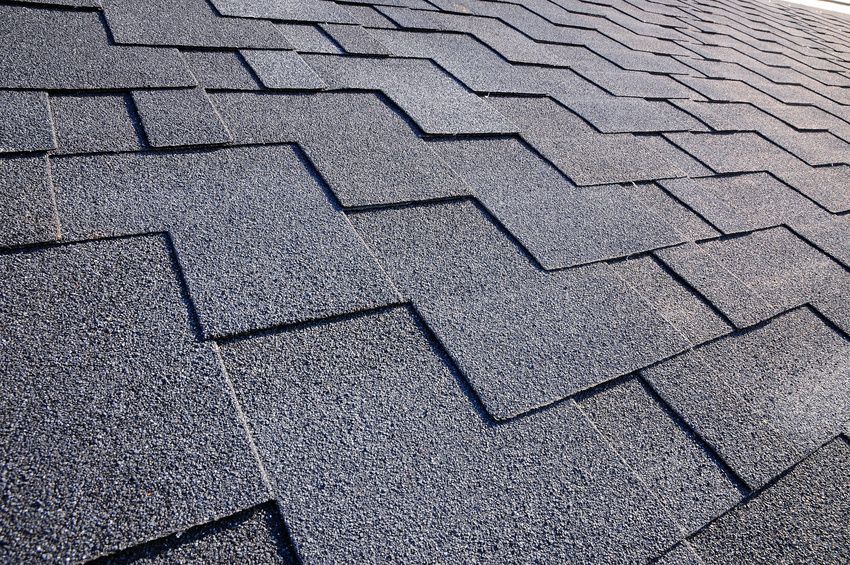
Because cedar requires intensive upkeep, many homeowners eventually decide to replace their aging wood with architectural shingles or metal roofing systems during a fresh roof installation. Architectural asphalt shingles mimic the dimensional appearance of natural wood shakes while providing superior fire resistance and requiring zero mold-prevention treatments over their lifespan. Meanwhile, high-grade metal roofing offers exceptional longevity, effortlessly shedding water and snow without absorbing moisture or succumbing to wood rot in damp climates. By weighing regional climate demands against personal maintenance preferences, property owners can choose the ideal roofing material to protect their home for decades.
Planning Your Next Exterior Replacement Schedule
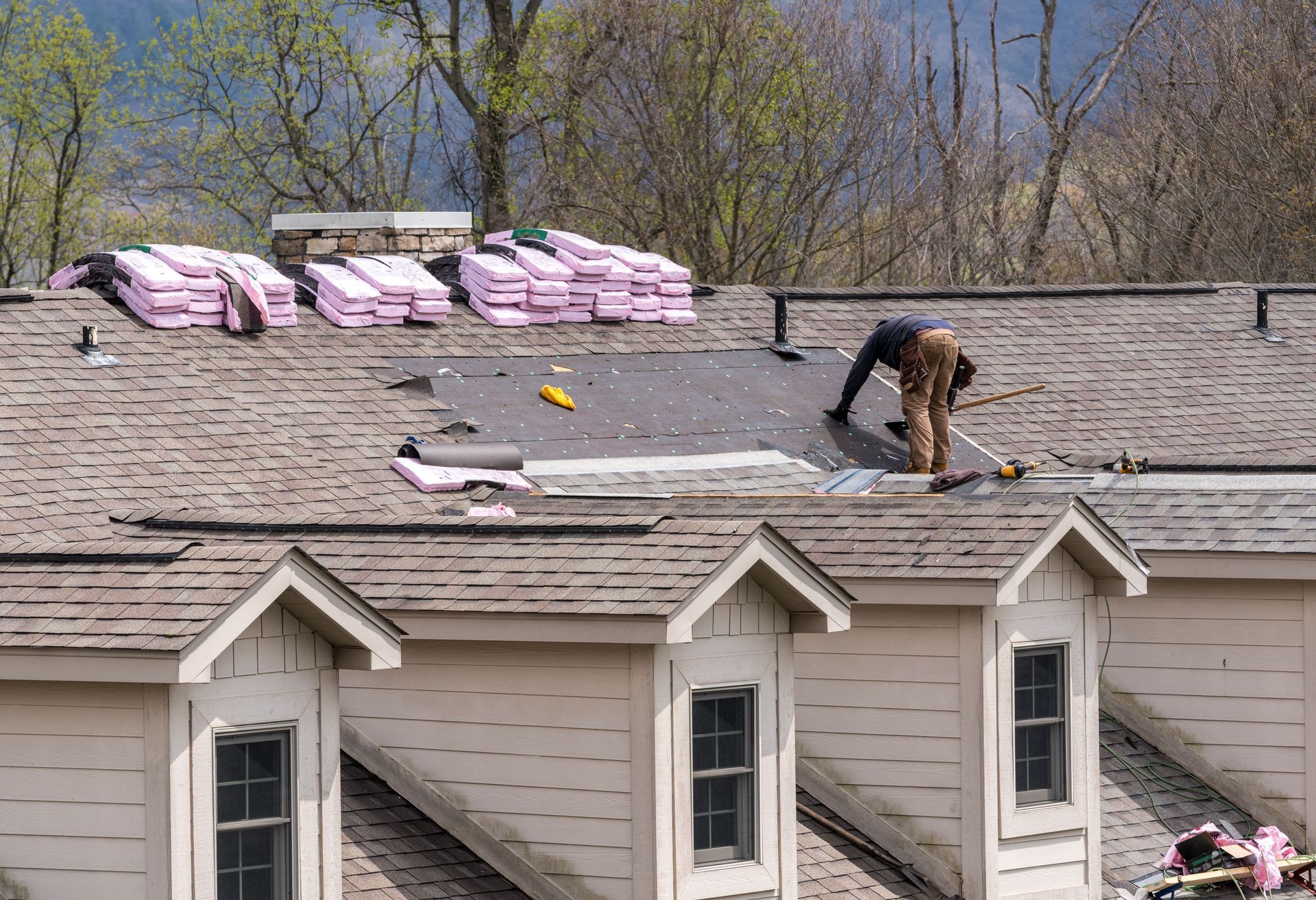
Knowing when to transition from preventative maintenance to a full roof replacement is essential for safeguarding your home against catastrophic interior water damage. As wood shakes approach the two-decade mark in a humid climate, property owners should watch for widespread signs of material failure across the roofline. Key warning indicators include extensive wood splitting, softening fibers, persistent attic leaks, or individual shingles that easily crumble and break apart when touched.
Whether you need targeted roof repair for damaged shakes or a complete roof installation, timing your exterior project before severe weather strikes is vital for property protection. A comprehensive exterior upgrade often extends beyond the roofline itself to encompass other vital exterior barriers. Coordinated improvements involving siding services and window services can dramatically enhance total home energy efficiency while fortifying the exterior shell against strong winds and rainfall. Engaging a reliable, locally established contractor ensures that every component of your roofing system, from weatherproofing membranes to custom flashings, is engineered to withstand demanding local climates with uncompromising quality.
Cedar shake roofs offer unmistakable beauty and timeless architectural appeal, but living in a humid climate introduces significant environmental challenges that require careful consideration. While atmospheric dampness and seasonal moisture shorten the average lifespan of natural wood compared to dry regions, proactive property maintenance, effective ventilation, and timely roof repair can help homeowners maximize the longevity of their investment.
Ultimately, whether you decide to preserve the classic look of natural wood shakes or upgrade to modern, low-maintenance architectural shingles or durable metal roofing, proper installation by skilled craftsmen is paramount. Partnering with experienced professionals guarantees that your next roof installation will withstand the challenges of high humidity for decades to come. When you are ready to upgrade your home with dependable craftsmanship and premium weather-resistant materials, contact the experienced team at Lake Michigan Construction & Roofing for your free consultation today.
Share On: