
Choosing the Right Roofing Company
Understanding your roofing company needs is the first step toward ensuring a safe, durable, and visually appealing home. From selecting the right materials—like asphalt shingles, metal, tile, or wood—to assessing climate considerations, budget constraints, and project timelines, every decision plays a crucial role in the outcome of your roof. Regular inspections help identify potential damage early, preventing costly repairs and extending your roof’s lifespan. Equally important is choosing a reliable roofing contractor, as experience, communication, and post-completion support can make or break your project. By taking a strategic and informed approach, homeowners can protect their property, enhance curb appeal, and make smart investments in the long-term value of their home.
Understanding Your Roofing Needs
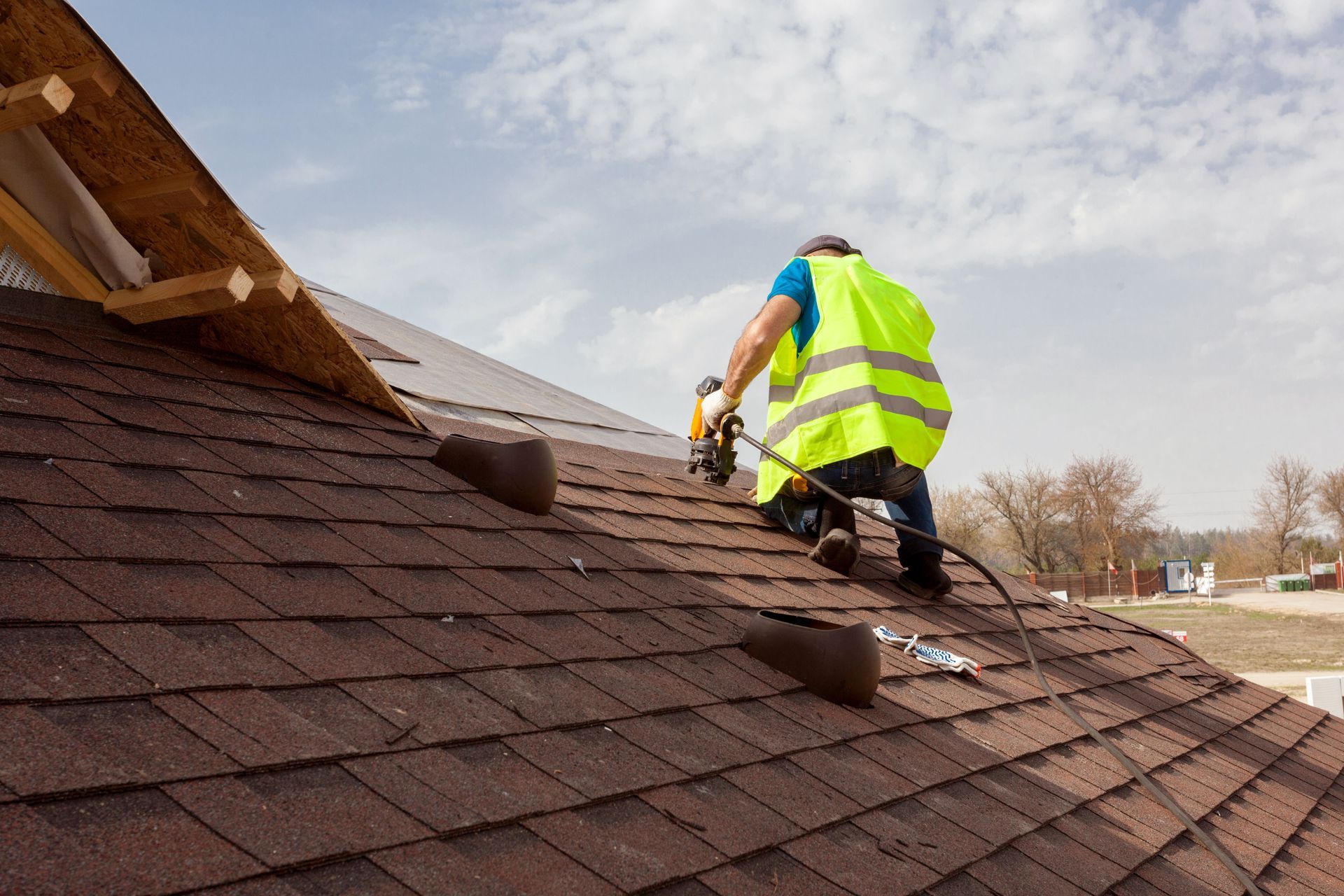
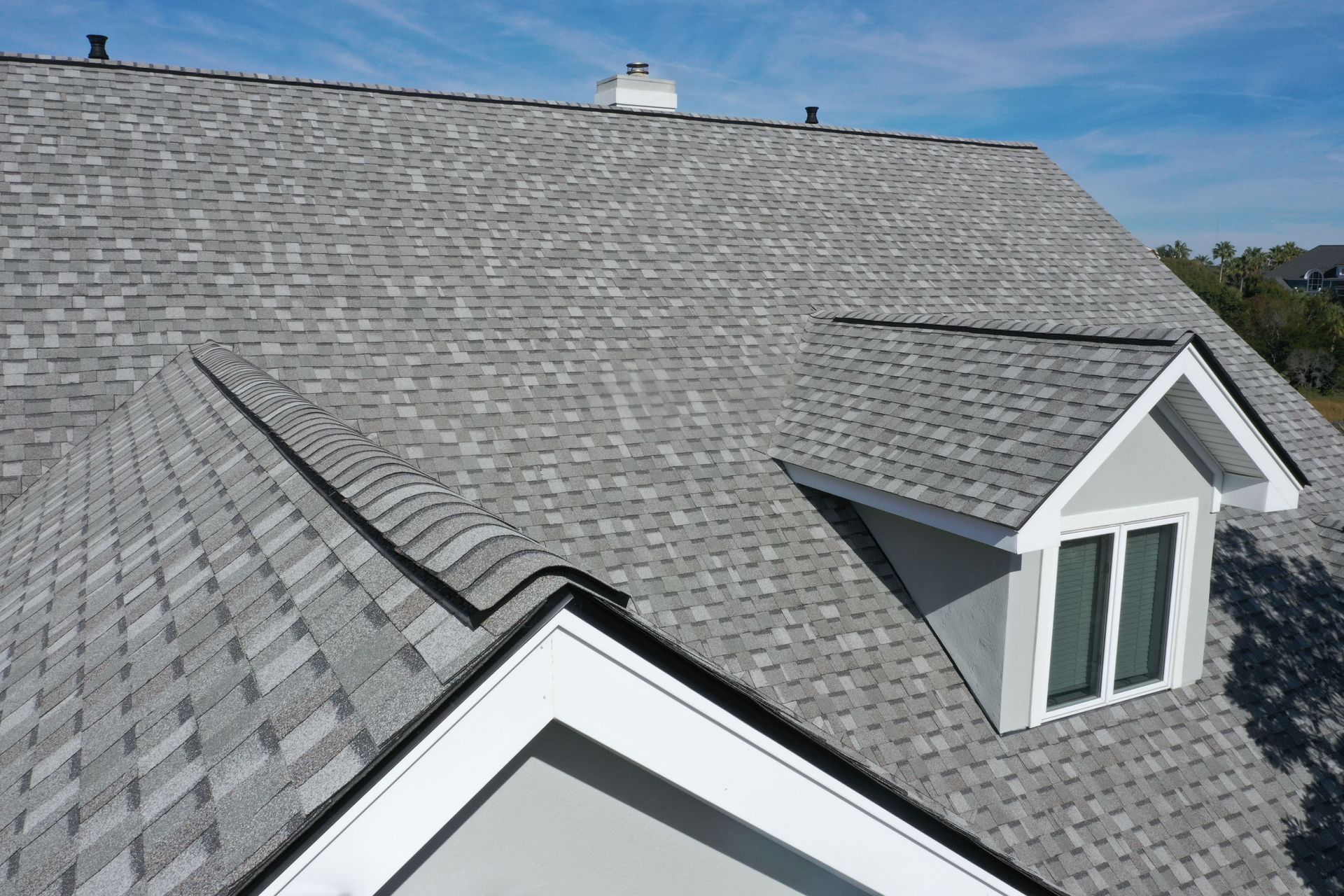
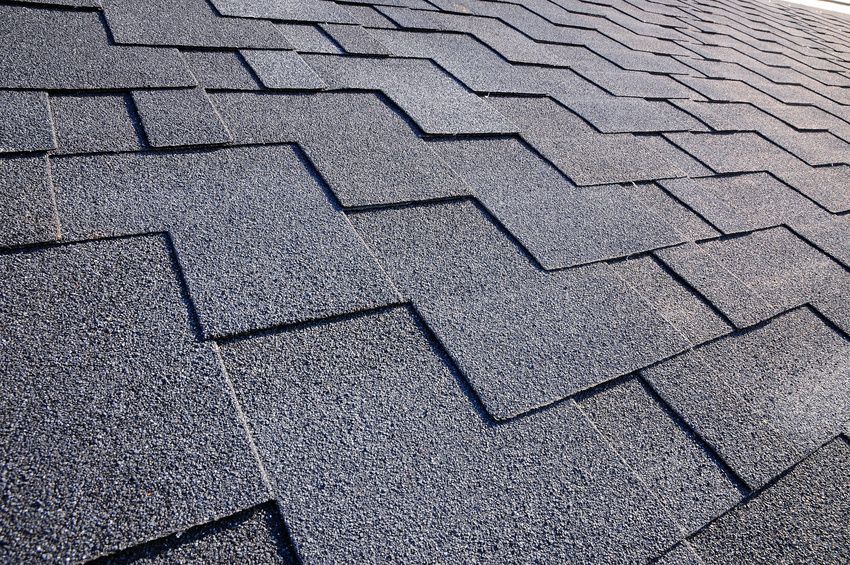
Choosing the right material is one of the first steps in addressing your roofing company needs. Popular options include asphalt shingles, metal roofing, wood shakes, and tiles. According to This Old House, steep-slope asphalt shingles are the most common in the U.S., with 83% of contractors identifying them as their primary revenue source. Asphalt shingles are favored for their affordability and ease of installation, while metal roofing is known for its durability and energy efficiency. Understanding the pros and cons of each material can guide your decision-making based on climate, budget, and personal preference.
Regular roof inspections are essential in identifying potential damage and preventing costly repairs. Common indicators of roof damage include missing or broken shingles, water stains on ceilings, and mold growth. It’s essential to recognize these early signs and address them promptly to prolong your roof's lifespan. Engaging a professional to perform detailed inspections can help to identify hidden damage that might escape the untrained eye. A well-maintained roof not only ensures safety but also boosts your home’s resale value.
Climate plays a vital role in selecting the ideal roofing material for your home. Regions with high precipitation might benefit from materials with excellent water resistance, like metal or tile. In contrast, areas subjected to high temperatures can make better use of reflective or energy-efficient roofing company options, potentially including the use of lighter colored shingles. Extreme weather conditions, such as heavy snowfall or high winds, require materials that offer strength and resilience. Considering the climate when evaluating roofing options can lead to a more sustainable and cost-effective decision.
A comprehensive budget assessment is crucial when planning a roofing project. The cost involves not only materials but also labor and any necessary structural improvements. Asphalt shingles offer a budget-friendly option, but it’s important to balance upfront costs with long-term benefits and maintenance considerations. Seeking multiple estimates can provide a clearer picture of cost expectations and highlight the range of available options. Ultimately, a clearly defined budget helps in making informed decisions without compromising on quality.
Factoring in timeline considerations is crucial to ensuring a smooth roofing project. The project's duration varies based on the complexity of the roof design, the materials chosen, and weather conditions. Urgent repairs might necessitate a quick turnaround, potentially affecting material choices. The season during which the work is performed can also influence timelines, as some materials are not recommended for cold-weather installation. Planned flexibility can mitigate potential delays and lead to a successful roofing company endeavor.
Researching Potential Contractors
Online reviews and ratings offer valuable insights into a contractor's reliability and workmanship. Platforms like Yelp, Google Reviews, and the Better Business Bureau provide firsthand accounts from previous customers. High ratings and positive feedback can be indicators of a contractor’s commitment to quality. However, it’s important to evaluate reviews critically, considering both positive and negative feedback. Consistent patterns, whether of praise or complaint, deserve particular attention in your decision-making process.
Personal referrals remain one of the most effective means of identifying trustworthy contractors. Friends, family, and neighbors who have had positive experiences can provide recommendations. Discussing their experiences offers insights not only into the quality of work but also into the contractor's communication and professionalism. Word-of-mouth referrals often lead to qualified contractors who already have a proven track record. An extensive network of satisfied clients is often a sign of a contractor’s reliability and expertise.
A contractor’s website serves as a digital business card, showcasing their services, experience, and expertise. User-friendly, well-designed websites often indicate a contractor’s professionalism and attention to detail. Look for portfolios of previous projects, lists of services, and customer testimonials as indicators of quality. The information found on their site can provide a sense of the contractor's style and approach to roofing projects. Using this resource effectively can help shortlist potential candidates for further consideration.
A company’s history is a strong indicator of its stability and credibility in the roofing company industry. Companies with a long-standing track record are often more reliable and have developed innovative techniques over time. This history can often be corroborated with past customer reviews and testimonials. Investigating the roofing company goes beyond experience; it involves confirming its registration and reputation within the community. A well-established history reflects sustained success and skilled service offerings.
Assessing Roof Company Communication and Customer Service
The initial consultation experience is a strong predictor of a contractor’s customer service approach. During this phase, a reputable contractor can gauge your needs accurately and propose viable solutions. Positive consultation experiences are characterized by thorough assessments, transparency, and professionalism. The contractor’s ability to communicate proposals and listen to client needs reflects their commitment to customer satisfaction. An excellent initial consultation sets the tone for a smooth contractor-client relationship.
A contractor’s responsiveness and willingness to answer queries is indicative of their customer service ethos. Prompt, clear responses demonstrate a contractor’s dedication to keeping clients informed and engaged. This engagement builds trust and fosters open communication, essential for project success. Waiting for responses, on the other hand, might indicate poor organizational skills or a lack of client focus. Evaluating how contractors handle inquiries can provide insights into their service quality and reliability.
Professionalism combined with courtesy leaves a lasting impression, enhancing client satisfaction throughout a project. Contractors should display respect, punctuality, and honesty in communications and engagements. A commitment to these values builds a positive working environment and promotes collaboration. Contractors who exhibit professionalism and courtesy affirm their dedication to quality service provision. These traits cultivate a strong client relationship and lead to successful project outcomes.
Clear communication is the foundation of successful project execution and client satisfaction. Contractors should express ideas, suggestions, and concerns in understandable terms, free from industry jargon. This clarity ensures clients have a comprehensive understanding of every project aspect, preventing misunderstandings. Clarity fosters trust, enabling clients to make informed decisions confidently throughout the project lifespan. By emphasizing transparent communication, contractors underline their commitment to partnership and quality service.
Post-completion support determines the long-term value and satisfaction of a roofing project. Contractors offering after-service support demonstrate an ongoing commitment to client satisfaction beyond the project’s end. Support involves addressing concerns, warranty fulfillment, and maintenance recommendations. Such offerings reflect the contractor’s concern for enduring quality and customer reassurance.
Selecting contractors known for strong post-completion support ensures prolonged service satisfaction and project assurances. Whether you’re planning a repair, replacement, or full installation, a well-executed roofing project safeguards your home, enhances energy efficiency, and increases property value
Don’t leave one of your home’s most important features to chance—schedule a professional assessment with the roofing company, Lake Michigan Construction & Roofing, today and take the first step toward a durable, reliable, and beautiful roof.

Share On: