
6 Questions to Ask a Potential Roofer
Choosing the right roofer is crucial to guarantee the durability and effectiveness of your home's protective shield. Asking the right questions can help you gauge the roofer's experience, quality of work, and reliability. Here, we've compiled a comprehensive guide to the essential questions to pose to a potential roofer before hiring. Investing time in evaluating a roofer can save you from future headaches and financial losses.
1. What is Your Experience in the Roofing Industry?
Understanding a roofer's experience is the first step in evaluating their capability to handle your roofing needs, including roof repair. Ask about the number of years they have been in business to get insight into their industry knowledge and stability. Companies with extensive experience are more familiar with diverse roofing issues and solutions, and they often have established track records. Inquire about the types of roofs they have handled to ensure their expertise aligns with the specific requirements of your project, including roof repair.
Years in business is a significant indicator of a roofing contractor's reliability and reputation. A well-established contractor likely has the necessary expertise to tackle various roofing challenges, including roof repair. Customer testimonials and photographic evidence of previous work are valuable tools for assessing a contractor's experience. Reach out to past clients to discuss their experiences with the contractor, especially regarding workmanship and meeting deadlines. A reputable roofer should be willing to provide references and samples of past projects to illustrate their competence. These references can shed light on the roofer's ability to perform quality roof repair.
In addition, experienced roofers have usually worked in diverse environments and dealt with various weather conditions. This gives them the ability to handle complex roofing issues that might arise due to environmental factors, such as storm damage or wear and tear. According to the International Insurance Institute, storm damage is the number one reason homeowners file roof insurance claims. Experienced contractors are also more adept at using innovative techniques and modern tools to ensure your roof repair is completed efficiently and effectively.
2. Are You Licensed and Insured?
Before you proceed to hire a roofer, you must confirm their licensing and insurance status. A valid license proves that the contractor meets the local industry standards and legal requirements. Insurance is equally crucial as it protects you from liability in case of accidents or damage during roof repair. Verify the contractor's insurance coverage types, such as general liability and workers' compensation. Licensed and insured roofers demonstrate professionalism and a commitment to safety and compliance.
Verification of a valid license ensures that the roofer adheres to the regulations specific to your locality. It provides reassurance that the roofer is recognized and authorized by the relevant authorities to perform roofing work, including roof repair. Understanding the differences between liability insurance, workers' compensation, and bonding information will help you make an informed choice.
Additionally, check whether the roofer is part of any professional roofing associations. Membership in such organizations often indicates a commitment to upholding high industry standards and staying updated with best practices. A licensed and insured roofer is more likely to provide you with a well-executed roof repair, as they have the right legal framework to back their work.
3. What Warranty Do You Offer?
A warranty is a cornerstone of any roofing project, offering long-term protection and assurance of quality, especially in roof repair. You should differentiate between manufacturer warranties and contractor warranties, as both cover different aspects. A manufacturer warranty typically covers material defects, while a contractor warranty addresses labor-related issues. Considering these warranty aspects is crucial to safeguard your investment and ensure quality roof repair.
Inquire about the specifics of the warranty, such as coverage length and any limitations. Some warranties include clauses that exclude specific types of damage or require regular maintenance checks. Clarify the terms of the warranty claim process, as a straightforward and transparent procedure indicates the contractor's professionalism. A clear, enforceable warranty is a significant factor in ensuring that your roof repair is long-lasting and effective.
Additionally, inquire whether the warranty is transferable in case you decide to sell your home. This can increase your home’s value and provide peace of mind to potential buyers. Warranties that offer full protection for roof repair are a strong indicator of a contractor's confidence in the materials and techniques they use.
4. What is Your Roofing Process?
Understanding a contractor's roofing process provides clarity on what to expect during your project. A thorough initial inspection and assessment are crucial to tailor solutions that fit your specific roofing needs, including roof repair. After the assessment, the contractor should develop a detailed project plan that outlines the approach and timeline. Reliable contractors provide approximate timeframes, establish key milestones, and detail potential cleanup processes once the project concludes.
The initial inspection should encompass a comprehensive evaluation of your roof’s current condition, focusing on areas that need roof repair. Accurate assessments allow contractors to propose the most effective solutions and prepare for any challenges unique to your roof. Timeframes and milestones in the plan will help you track progress and make any necessary adjustments.
It's important to understand how the roofer handles unexpected issues, such as adverse weather conditions or unplanned complications. A contractor who can adapt and address these problems without impacting the roof repair project timeline shows resilience and problem-solving skills. A clear and detailed roofing process minimizes disruptions and ensures you are kept informed throughout.
5. Can You Provide a Detailed Estimate?
Securing a detailed estimate allows you to budget appropriately and anticipate any potential financial obligations related to roof repair. A comprehensive estimate should include a clear breakdown of costs, covering materials, labor, and any additional services. The presence of a structured payment schedule within the estimate reflects professionalism and assists in financial planning. Make inquiries regarding potential cost increases and their triggers to prevent surprise expenses.
Cost breakdowns in estimates reveal transparency and meticulous planning from the contractor. Review the material choices included in the estimate and evaluate their quality and longevity against industry standards. Contractors must be upfront about cost projections resulting from variables such as material price shifts or change orders.
6. How Do You Ensure Safety and Compliance?
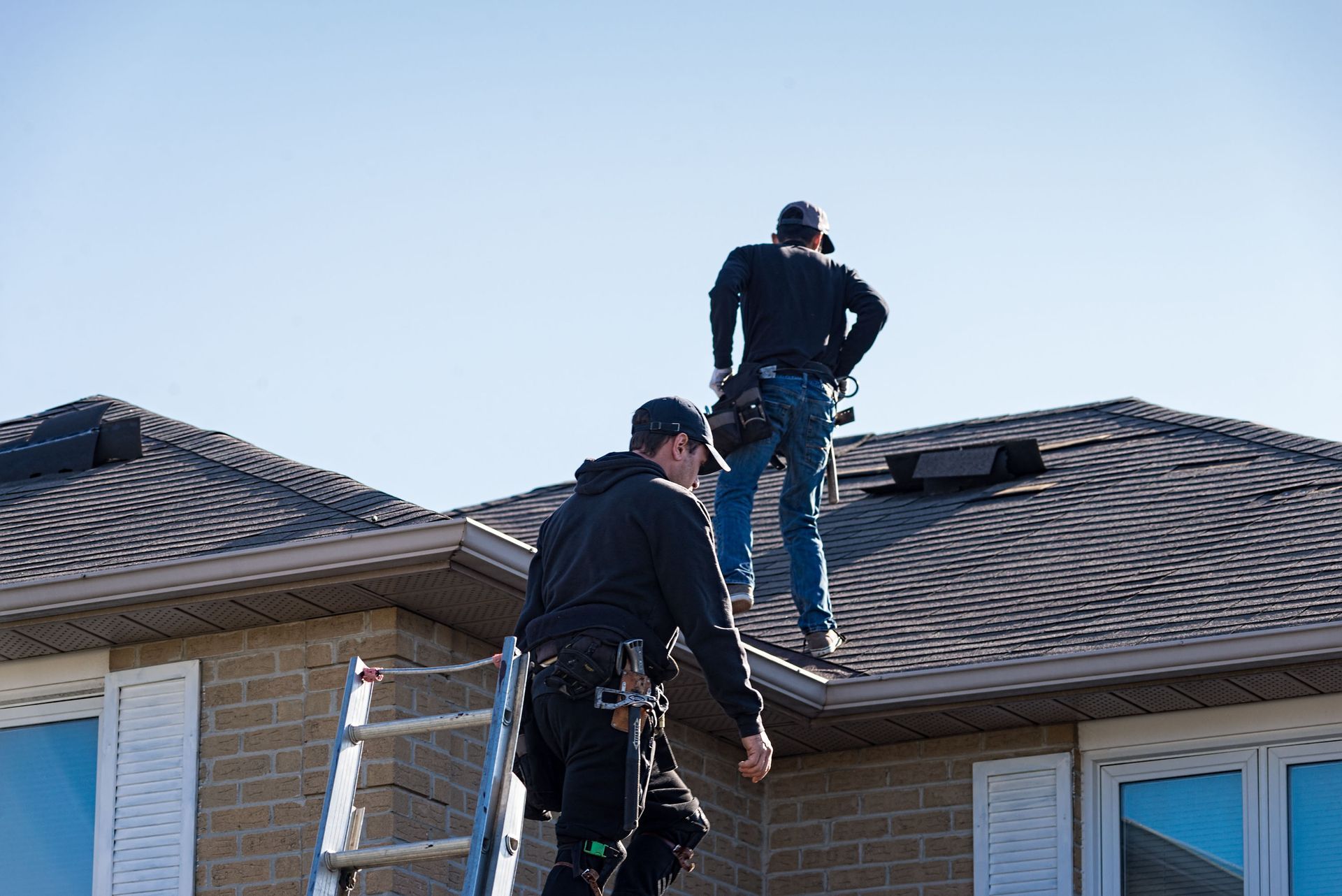
Safety and compliance are critical aspects of any roofing project, protecting both workers and property during roof repair. Inquiries about the contractor's safety protocols and practices demonstrate their commitment to reducing accidents. Adequate safety training and certifications for their crew are non-negotiable components that reinforce quality standards and compliance with local regulations. Inspect their utilization of safety equipment and ensure they conduct regular safety audits to address issues swiftly.
Safety protocols provide the framework for preventing avoidable accidents during the roofing process. Confirm the contractor's safety measures, including tools and methods that contribute to a secure workplace. The roofer's reputation for demonstrating such integrity usually correlates with repeat business and positive client referrals, which is crucial in projects like roof repair.
Choosing the right roofer for your project is a crucial step in ensuring the long-term protection and functionality of your home. By asking the right questions, such as those about the roofer's experience, licensing, insurance, warranties, and roofing process, you can make an informed decision that aligns with your needs. It’s important to focus on a contractor who offers clear estimates, ensures safety and compliance, and stands behind their work with reliable warranties.
Roof repair is a significant investment, and choosing a skilled and trustworthy contractor is key to avoiding future issues. With the right roofer, you can rest assured that your home will be properly protected, and the roof repair will be completed efficiently and effectively. By evaluating each contractor carefully, you can safeguard your property, enhance its value, and enjoy peace of mind knowing your roof is in good hands.

Share On: